

Did you know property managers could face fines from $10,000 to $75,000 for breaking housing rules? The job of a property manager is full of legal details that need careful focus.
Managing properties is more than just keeping them clean. Property managers have many legal tasks. These include checking who can rent, following local and federal laws, and more.
Property managers must handle many duties. They need to protect both owners and renters. With so many property management companies in the U.S., knowing these laws is key to doing well.
Key Takeaways
- Property managers must understand complex legal requirements
- Compliance is critical to avoiding substantial financial penalties
- Legal responsibilities cover tenant relations, property maintenance, and financial management
- Professional certification can enhance legal knowledge and management skills
- Continuous education is essential in property management
Understanding the Role of a Property Manager
Property management is key in the real estate world. It connects owners with the right care for their properties. A property management firm acts as a bridge between owners and renters. They handle many tasks to keep things running smoothly.
Property managers do a lot more than just fix things and collect rent. They manage all kinds of properties.
Property Management Overview
Good property management includes several important steps:
- Tenant screening and selection
- Rent collection and financial reporting
- Property maintenance and repairs
- Legal compliance with rental regulations
- Marketing vacant properties
Importance of Legal Knowledge
Knowing the law is very important for property managers. Laws about renting vary a lot. Managers need to know all about local and state laws.
| Property Type | Management Complexity | Average Management Fee |
|---|---|---|
| Residential | Moderate | 8-10% of monthly rent |
| Commercial | High | 6-8% of monthly rent |
| Industrial | Complex | 5-7% of monthly rent |
About 70% of home owners use property management firms. They don’t have time or know-how. Legal rules are very important for good property management.
Property managers must deal with complex laws. They make sure everyone is safe and protected. They follow all rules and standards very carefully.
Licensing and Certification Requirements
Property management laws are complex. They require professionals to follow many rules. Knowing the licensing rules is key for those starting in property management.
Different states have their own rules for property management licenses. For example, Ohio has specific rules for property managers:
- Minimum age requirement of 18 years old
- High school diploma or equivalent
- Passing state and national licensing exams
- Potential background check submission
State Licensing Implications
State laws on licensing are very important. In Ohio, not having a license can lead to big problems:
- Civil penalties up to $1,000 per violation
- Potential fines totaling $21,000 for multiple unlicensed actions
- Strict enforcement against unauthorized property management
Continued Education for Property Managers
Staying updated is key for property managers. They can get certifications to improve their skills:
- Certified Apartment Leasing Professional (CALP)
- Certified Property Manager (CPM)
- Certified Apartment Manager (CAM)
- Master Property Manager (MPM)
Each certification needs a certain amount of experience. In Ohio, property managers can earn more with more experience and certifications. They can make between $47,019 for newbies and $53,756 for veterans.
Fair Housing Laws
Legal property management means knowing fair housing laws well. The Fair Housing Act protects everyone from housing bias. It makes sure all tenants have a fair chance. Property managers must follow these rules carefully.
The Fair Housing Act started in 1968. It helps people find homes without bias. Landlords must not discriminate against seven groups:
- Race
- Color
- National origin
- Religion
- Sex
- Familial status
- Disability
Understanding Discriminatory Practices
Property managers must watch out for unfair actions. This includes:
- How they advertise rentals
- How they screen tenants
- When they make lease deals
- How they take care of the property
| Discriminatory Practice | Legal Consequence |
|---|---|
| Refusing tenancy based on protected class | Potential federal penalties |
| Unequal rental terms | Civil rights violation |
| Selective application screening | Potential legal action |
Ensuring Compliance
To manage property legally, you need to keep learning. Regular training and policy checks help avoid unfair practices.
Every year, about 2 million people face housing bias, says HUD. Property managers are key in stopping these wrongs and making housing fair for all.
Lease Agreement Management
Managing rental agreements is complex. It needs legal knowledge and careful details. Property managers must make lease agreements that protect both sides. They must follow local and state laws.

A good lease agreement is key to a successful rental. It must cover important points to avoid fights and protect everyone.
Essential Elements of a Legally Binding Lease
- Precise rent amount and payment schedules
- Security deposit terms and conditions
- Specific lease duration
- Maintenance responsibilities
- Property use restrictions
In Pennsylvania, all leases must clearly state the terms. About 60% of disputes come from unclear lease agreements.
Compliance with Local and State Regulations
| Compliance Area | Key Requirements |
|---|---|
| Legal Documentation | Comprehensive lease detailing all rental terms |
| Maintenance Obligations | Clear explanation of repair procedures |
| Tenant Rights | Explicit statement of tenant protections |
Property managers must know about legal compliance. About 70 laws affect property management. Knowing these laws helps avoid big fines.
Creating detailed rental agreements is key. It helps avoid risks and makes good relationships between landlords and tenants.
Maintenance Responsibilities
Keeping rental properties in good shape is key. Property managers make sure places are safe and work right. They also make sure they meet living standards.
It’s important to manage tenants well. This means fixing problems before they get worse. Checking properties often helps find and fix issues early.
Ensuring Habitability Standards
Property managers must keep up with a few important things:
- Functional heating and cooling systems
- Safe electrical and plumbing systems
- The building must be strong
- Places must be clean and healthy
- They must be safe from dangers
Timely Repairs and Tenant Notification
Fixing things fast is very important. Managers deal with 5-10 maintenance requests per property monthly. This shows how fast and clear communication is key.
| Maintenance Aspect | Average Annual Cost | Frequency |
|---|---|---|
| Regular Property Inspections | $1,200 – $3,000 | 1-2 times per year |
| Emergency Repairs | Varies by issue | As needed |
| Preventative Maintenance | $500 – $1,500 | Quarterly |
Good property management can make a property 30% better. This is thanks to keeping things in good shape and taking care of tenants. By focusing on maintenance, managers keep values high and tenants happy.
Financial Management Duties
Property managers are key in keeping finances right in property leasing. They do more than just collect rent. They handle money in a way that keeps everyone safe.
Good money management in rental law means paying close attention to every dollar. Up to 20% of rent can be lost if money handling is not done well.
Handling Tenant Security Deposits
Security deposits are very important in the deal between property managers and tenants. Here are some things to remember:
- Keep deposits in special accounts that earn interest.
- Take pictures of the property before tenants move in.
- Give a clear report on how the deposit was used.
- Give the deposit back on time, as the law says.
Proper Accounting Practices
Being open with money matters helps build trust with property owners. When money handling is clear, owners are 50% happier.
| Financial Management Metric | Recommended Practice | Impact |
|---|---|---|
| Expense Tracking | Quarterly Financial Statements | Reduces Possible Tax Problems by 10% |
| Maintenance Budget | Set aside 1% of Property Value | Helps Avoid Surprise Repair Costs |
| Rent Collection | Use Automatic Systems | Save 50% of Time on Admin Work |
Strong money management plans help property managers avoid risks. They make sure everything is legal and keep good relations with owners and tenants.
Eviction Procedures
Property managers need to know about eviction procedures. They help protect both tenants and property owners. Rental rules guide them through tough situations.
Eviction is a big legal step. It needs careful handling of tenant rules. The main reason for eviction is not paying rent. This calls for a smart and legal plan.
Legal Grounds for Eviction
Property managers can start eviction for several reasons:
- Not paying rent on time
- Breaking lease rules
- Damage to the property
- Illegal activities on the property
- Not following lease terms
Following the Correct Legal Process
Starting an eviction legally is very important. It involves:
- Writing a notice about the problem
- Following state notice rules
- Keeping records of all talks and proof
- Filing the right court papers
- Going to legal hearings
Knowing local rental laws is key. For example, in Washington State:
– You need a 14-day notice for rent issues.
– A 10-day notice for lease problems.
– A 3-day notice for serious issues.
Property managers must not take revenge. They must follow all laws to avoid lawsuits and money problems.
Tenant Rights and Responsibilities
Understanding tenant rights and landlord duties is important. Property managers help keep things fair and respectful.
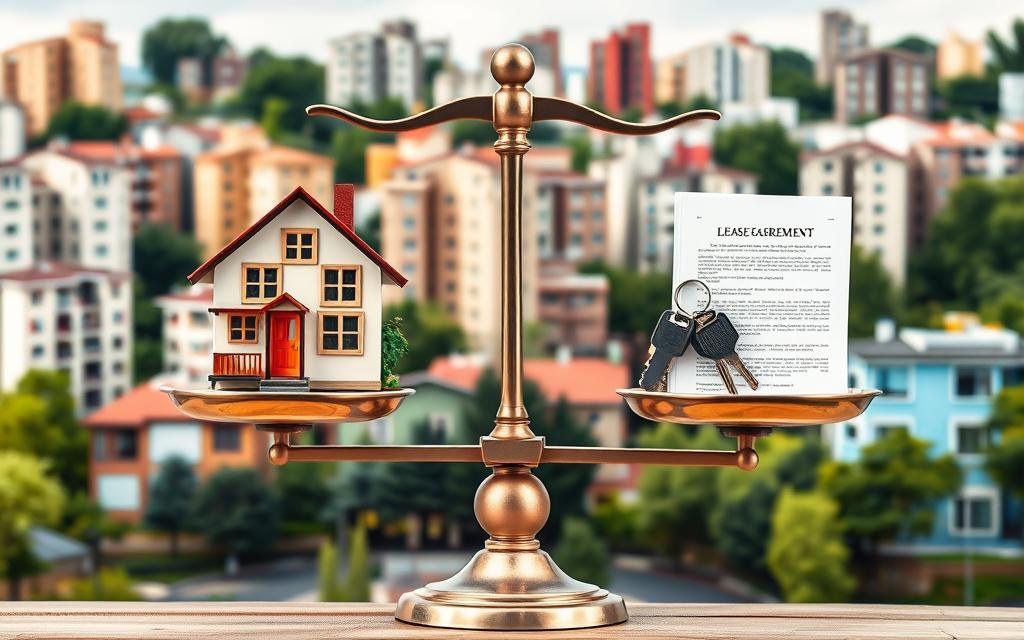
Tenants have legal rights to protect them. These rights make sure they live in a safe place. They cover things like a good living space and privacy.
Key Tenant Rights to Understand
- Right to a habitable living space
- Protection from discrimination
- Privacy and peaceful enjoyment of the rental property
- Timely maintenance and repairs
- Security deposit protection
Tenant Responsibilities in Rental Law
Tenants have rights, but they also have duties. The law says they must:
- Pay rent on time
- Maintain the property in a clean condition
- Avoid causing damage to the rental unit
- Comply with lease agreement terms
- Provide proper notice before moving out
Some interesting facts about tenants and landlords. Over 50% of landlords say late payments are the top reason for eviction. Also, about 35% of tenants have gotten a notice for overdue rent.
Addressing Tenant Grievances
Talking things out is important. Property managers should:
- Listen carefully to tenant concerns
- Document all interactions
- Respond promptly to maintenance requests
- Follow legal procedures for dispute resolution
| Tenant Right | Landlord Obligation |
|---|---|
| Safe Living Environment | Ensure Property Meets Health Codes |
| Timely Repairs | Respond Within 14 Days for Non-Emergency Issues |
| Privacy Protection | Provide 24-Hour Notice Before Entry |
Knowing about tenant rights and duties makes renting better for everyone. Property managers need to know the law and talk well with tenants.
Disclosure Obligations
Legal property management needs careful attention to disclosure rules. Property managers must follow complex rental laws. This ensures transparency and protects everyone involved.
Good property management means sharing all important details. The law says what info must be shared. This keeps things legal and fair for everyone.
Critical Disclosures Required by Law
- Property condition details
- Known hazards or structural issues
- Previous damage history
- Environmental risks
- Local zoning restrictions
Transparency in Property Management
Disclosures in property management are a big challenge. 15% of disputes come from not sharing important property info. Managers must talk clearly and share all they know.
Important things to share include:
- Written details of the property’s condition
- Any known defects or maintenance needs
- What local rental laws say
- Keeping records of talks with tenants
Not sharing important info can cause legal trouble. Landlords might switch managers if they don’t follow rules. It’s key to talk openly and keep good records in property management.
Insurance and Liability Considerations
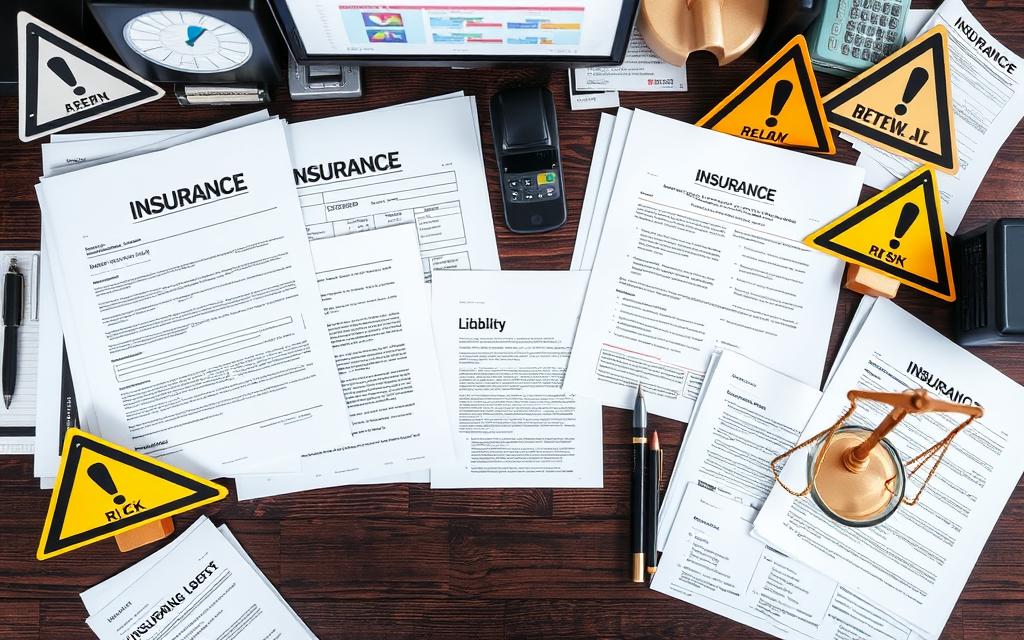
Property management is about dealing with complex insurance issues. It helps protect owners and managers from big financial risks. Knowing about insurance is key for good property management.
Essential Insurance Types for Property Managers
Good property managers need to get many insurance types. This helps them avoid big problems. The main types are:
- General Liability Insurance
- Professional Liability Insurance
- Property Insurance
- Workers’ Compensation
- Cyber Liability Insurance
Analyzing Insurance Coverage Statistics
| Insurance Type | Coverage Percentage | Key Protection |
|---|---|---|
| Resident Insurance | 41% | Property Damage/Liability |
| General Liability | 90% | Legal Fees, Medical Bills |
| Professional Liability | 75% | Professional Mistake Coverage |
Managing Liability Risks
To manage risks well, property managers must be proactive. They should keep properties in good shape, check them often, and keep good records. This helps avoid legal problems.
Important steps to manage risks include:
- Routine property maintenance
- Prompt repair responses
- Comprehensive tenant screening
- Detailed record-keeping
- Understanding local housing regulations
Managers have more than just property care duties. They need a clear management contract. It should cover insurance, risk reduction, and liability protection.
Record Keeping Standards
Property management laws need careful record-keeping. This is key for following the law. Rental property law says property managers must keep detailed records. These records help protect both property owners and tenants.
Good record management tracks important areas. It keeps legal interests safe and shows everything is clear.
Essential Documentation Categories
- Financial transactions and rent payments
- Maintenance and repair logs
- Tenant communication records
- Lease agreements
- Inspection reports
Legal Requirements for Documentation
Property managers must know that detailed records are key in legal fights. Accurate documentation can mean the difference between successful defense and significant financial liability.
| Record Type | Retention Period | Legal Significance |
|---|---|---|
| Lease Agreements | 7 years after lease termination | Proof of contractual obligations |
| Financial Transactions | Minimum 5 years | Tax and audit compliance |
| Maintenance Records | 3-5 years | Habitability evidence |
Best Practices for Record Management
- Digitize and backup all important documents
- Create standardized record-keeping templates
- Implement secure storage systems
- Train staff on documentation protocols
By focusing on detailed record keeping, property managers can protect their businesses. They show they follow the law. This builds trust with property owners and tenants.
Property Inspections and Access
Property inspections are key for keeping rental places good while respecting tenants. Managers must deal with a lot of laws. These laws help balance what landlords must do with what tenants need.
Knowing the rules for getting into a property is important. Here are some main points:
- Give enough notice before going into a rental
- Keep tenant privacy and let them enjoy their space
- Write down how inspections are done
- Follow the rules of each state
Legal Right to Enter the Property
Managers must remember that tenants’ rights come first. Most places say you need reasonable notice to enter. This is usually 24-48 hours before. But, there are times when you can go in without notice:
- For urgent repairs
- When there’s a safety risk
- If there’s damage
- For court-ordered checks
Notice Requirements for Inspections
It’s important to document everything during inspections. Managers should make detailed reports, take photos, and tell tenants what they found. How often you inspect depends on the place and local laws.
Following the rules for property checks helps avoid legal problems. It also keeps good relations between landlords and tenants.
Adherence to Local Regulations
Navigating property management laws is complex. Property managers must know local rules well. This keeps owners and tenants safe.
Local rules affect how you manage properties. The real estate world has over 300 local rules. Property managers must follow these carefully.
Understanding Zoning Laws
Zoning laws are key in property management. They decide how properties can be used and changed. Important things to know include:
- Residential vs. commercial property designations
- Building height and density restrictions
- Parking and infrastructure requirements
- Specific use limitations
Compliance with Health and Safety Codes
Rental rules demand strict health and safety standards. Property managers must make sure properties meet these:
| Compliance Area | Key Requirements |
|---|---|
| Accessibility | ADA compliance for entrances, ramps, and facilities |
| Safety Standards | Working smoke detectors, fire extinguishers, emergency exits |
| Environmental Compliance | Energy efficiency, waste management, recycling protocols |
Being proactive in following rules can lower legal risks and save money. Breaking rules can lead to big fines and legal problems.
Property managers should keep learning, check properties often, and stay updated on local rules. This helps manage properties well.
Handling Tenant Complaints and Conflicts
Managing tenants well means solving problems and listening to their concerns. Property managers help keep things smooth by talking things out and being clear.
Keeping tenants happy means solving problems before they get big. Studies show that mediation can fix disputes in about 70% of cases. This helps avoid going to court.
Mediation and Resolution Strategies
Property managers need good plans to handle tenant issues:
- Make sure everyone can talk easily
- Really listen to what tenants say
- Keep a detailed record of everything
- Answer quickly and professionally
Documenting Complaints
Keeping good records is key for landlords. More than 60% of legal fights start from bad communication. So, keeping everything written down is very important.
| Complaint Type | Resolution Strategy | Documentation Requirement |
|---|---|---|
| Maintenance Issues | Prompt Repair | Written Work Order |
| Noise Complaints | Mediation | Detailed Incident Report |
| Lease Violations | Written Warning | Signed Acknowledgement |
By focusing on clear communication and tenant rights, property managers can make rentals better. Using these methods can lower tenant turnover by up to 25% and make tenants happier.
Implications of Non-Compliance
Property management is complex and needs strict rules. Laws protect tenants and owners from problems.
Breaking these laws can lead to big problems. Property managers face many risks from legal mistakes.
Potential Legal Consequences
Property managers face many legal dangers. Breaking rules can lead to:
- Tenant lawsuits
- Regulatory fines
- Criminal penalties
- Loss of license
Financial Repercussions
Not following the law can hurt a property manager’s wallet. Here’s how:
| Type of Violation | Estimated Financial Impact |
|---|---|
| Maintenance Delays | $1,000 – $15,000 per incident |
| Accounting Errors | 5% – 15% of projected rental income |
| Liability Claims | Up to $50,000 per claim |
Following the law is key to protect your business and reputation.
Managers who follow the law can avoid many disputes. They should review contracts, keep good records, and know local laws well.
Conclusion: The Importance of Compliance
Being a property manager is more than just fixing things. It’s about knowing lots of rules to keep everyone safe. About 70% of managers say knowing these rules is key to doing well.
Following the rules can save you a lot of money. Not following them can cost you up to $10,000. But, being good at your job can make your property worth more by 20-25%.
Key Responsibilities in Focus
Good property management means doing many things right. This includes picking the right tenants and keeping the place in good shape. Studies show managers who do this well keep tenants longer and have fewer problems.
Ongoing Professional Development
The rules for real estate change a lot. Managers need to keep learning to stay ahead. They should go to workshops and join groups to stay up-to-date. This way, they can avoid problems and make the whole industry better.
About the Author


