
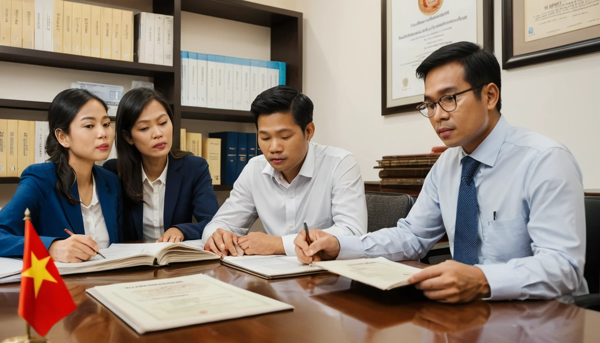
Why You Need a Skilled Vietnamese Immigration Lawyer to guide you through complex processes with expert support and culturally aware legal solutions.
Immigration law represents one of the most intricate areas of legal practice, particularly for individuals from Vietnam seeking to establish themselves in countries like the United States, Canada, or Australia. The complexity of immigration procedures, combined with cultural and linguistic barriers, makes working with a skilled Vietnamese immigration lawyer essential for achieving successful outcomes.
Understanding Vietnamese Immigration Challenges
Vietnamese immigrants face unique challenges that distinguish their cases from other nationalities. Historical factors, including the aftermath of the Vietnam War and subsequent waves of migration, have created specific legal pathways and complications that require specialized knowledge to navigate effectively.
Historical Context and Legal Implications
The relationship between Vietnam and various destination countries has evolved significantly over decades. This evolution has resulted in specialized visa categories, refugee programs, and family reunification processes that demand comprehensive understanding. A skilled Vietnamese immigration lawyer possesses intimate knowledge of these historical frameworks and how they impact current applications.
Many Vietnamese immigrants arrive through family-sponsored petitions, employment-based visas, or humanitarian programs. Each pathway involves distinct requirements, documentation standards, and processing timelines that can overwhelm individuals without legal expertise.
The Complexity of Modern Immigration Law
Immigration law changes frequently, with new regulations, policy interpretations, and procedural requirements emerging regularly. What worked for previous applicants may no longer be applicable, making current legal expertise crucial for success.
Documentation and Evidence Requirements
Vietnamese applicants often struggle with documentation requirements due to differences in record-keeping systems between Vietnam and destination countries. Birth certificates, marriage records, educational credentials, and employment history must meet specific standards that vary by jurisdiction and visa category.
A skilled Vietnamese immigration lawyer understands how to obtain, authenticate, and present Vietnamese documents in ways that satisfy immigration authorities. They know which documents require translation, apostille, or additional certification, preventing costly delays or denials.
Language and Cultural Barriers
Legal proceedings conducted in English or other non-Vietnamese languages can create significant obstacles. Immigration forms, interviews, and court proceedings require precise language use where mistranslation or misunderstanding can result in application denial or deportation proceedings.
Specialized Services Provided by Vietnamese Immigration Lawyers
Vietnamese immigration attorneys offer services tailored to their community’s specific needs, going beyond general immigration assistance to address cultural nuances and common challenges faced by Vietnamese applicants.
Family-Based Immigration
Family reunification remains a primary pathway for Vietnamese immigration. Lawyers specializing in this community understand the extended family structures common in Vietnamese culture and how to navigate complex relationships when filing family-based petitions.
They assist with marriage-based applications, parent-child relationships, and sibling petitions, ensuring that cultural marriage practices or family arrangements are properly documented and presented to immigration authorities.
Employment-Based Visas
Vietnamese professionals seeking employment-based visas often need assistance demonstrating their qualifications and experience in formats acceptable to foreign employers and immigration agencies. Skilled attorneys help translate professional credentials, prepare labor certification applications, and navigate the complex priority date systems.
Humanitarian Protection
Some Vietnamese individuals require protection from persecution or other humanitarian concerns. Immigration lawyers with Vietnamese expertise understand the political and social conditions that may qualify applicants for asylum, withholding of removal, or other protective statuses.
The Value of Cultural Competency
Beyond legal expertise, cultural competency sets skilled Vietnamese immigration lawyers apart from general practitioners. They understand Vietnamese naming conventions, family structures, business practices, and social customs that impact immigration cases.
Building Trust and Communication
Vietnamese clients often feel more comfortable discussing sensitive personal information with attorneys who understand their cultural background. This comfort level leads to better communication, more complete case preparation, and stronger attorney-client relationships.
Avoiding Cultural Misunderstandings
Immigration officers and judges may misinterpret Vietnamese cultural practices without proper explanation. Skilled Vietnamese immigration lawyers can contextualize cultural behaviors, family arrangements, or business relationships that might otherwise appear suspicious or fraudulent to officials unfamiliar with Vietnamese customs.
Choosing the Right Legal Representation
Selecting appropriate legal representation requires careful consideration of several factors beyond cultural compatibility. Prospective clients should evaluate attorneys based on their experience with specific case types, success rates, and professional standing within the legal community.
Experience and Specialization
Not all immigration lawyers possess equal expertise with Vietnamese cases. Clients should seek attorneys who regularly handle Vietnamese immigration matters and stay current with developments affecting the Vietnamese-American community.
Professional Credentials and Ethics
Licensed attorneys must maintain good standing with their bar associations and follow strict ethical guidelines. Clients should verify attorney credentials and avoid unlicensed practitioners who may provide inadequate representation or engage in fraudulent activities.
Key Insights for Vietnamese Immigration Success
Navigating Vietnamese immigration successfully requires understanding that legal expertise, cultural competency, and thorough preparation are equally important. The investment in skilled legal representation often proves cost-effective compared to the consequences of denied applications, delayed processing, or removal proceedings.
A skilled Vietnamese immigration lawyer serves as both legal advocate and cultural bridge, translating complex legal requirements into understandable terms while ensuring that Vietnamese cultural contexts are properly conveyed to immigration authorities. This dual expertise significantly increases the likelihood of favorable immigration outcomes while reducing the stress and uncertainty inherent in immigration processes.
For Vietnamese individuals and families pursuing immigration goals, professional legal guidance represents not merely an option but a practical necessity for achieving their American dreams while maintaining connections to their cultural heritage.
FAQs
1. Why hire a Vietnamese immigration lawyer?
A Vietnamese immigration lawyer knows the special rules for Vietnamese people. They help you avoid big mistakes and delays. This makes your chances of getting in better.
2. What does a Vietnamese immigration lawyer do?
They deal with family petitions, work visas, and cases for help. They check if your Vietnamese papers are right. They also help with interviews and appeals if you need them.
3. How can a lawyer help with family-based visas?
They get the family and culture in Vietnam. They make strong applications for family reunions. This helps avoid problems with immigration officers.
4. Are Vietnamese documents hard to submit abroad?
Yes, they need translation, certification, or apostilles. A good lawyer knows how to make these papers right. This stops delays or being turned down by immigration.
5. What makes Vietnamese immigration cases unique?
They often deal with past migration issues and complex family ties. There are also language and record-keeping challenges. A lawyer who knows Vietnamese culture makes things easier and more correct.
About the Author