
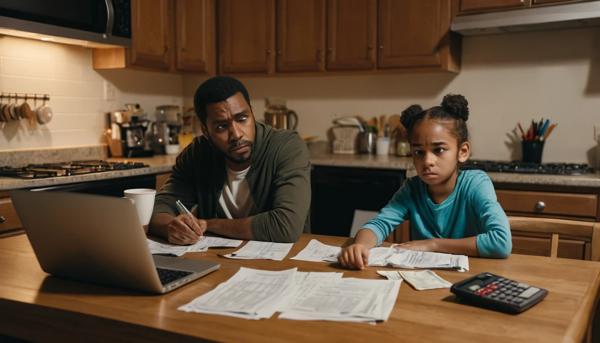
Filing for Bankruptcy as a Single Parent: Bankruptcy for single parents made simple. Learn how to protect your kids and rebuild fast with expert tips.
Filing for Bankruptcy as a Single Parent
Do you feel like you’re drowning in bills? 😩 You’re trying to pay for rent, groceries, and school supplies. Debt collectors keep calling. As a single parent, life is already hard. But when money troubles get too much, bankruptcy might be your only choice. What do you do now?
Let’s talk about it together—in plain English, no judgment, and zero legal jargon.
What Is Bankruptcy Really About? 📉
Bankruptcy is a legal way to handle debt when you can’t pay it back. It’s not the end of your financial life—it’s a fresh start. Think of it like hitting the reset button on your money problems.
There are two main types of bankruptcy for individuals:
- Chapter 7: Erases most of your unsecured debts fast (like credit cards, medical bills).
- Chapter 13: Lets you create a 3–5 year repayment plan to catch up on debts.
You can keep many of your assets, depending on your state’s laws.
A trusted bankruptcy attorney can help you regain control of your financial future. They guide you through every legal step carefully. Get peace of mind with expert support from a trusted bankruptcy attorney.
Why It’s Different for Single Parents 🧍♀️+🧒
Being a single parent adds extra pressure to every financial decision. You’re not just thinking about yourself—you’re thinking about your child’s future too. Bankruptcy isn’t just about money; it’s about protecting your family.
Key concerns include:
- Keeping your home 🏠
- Making sure child support isn’t affected
- Rebuilding credit for future stability
Is Filing Bankruptcy Right for You? 🧠
Here’s when bankruptcy might make sense:
- You’re behind on major bills (mortgage, rent, utilities)
- Credit cards are maxed out
- You’re using payday loans to survive
- You’re being sued by creditors
- Collection calls won’t stop
Not sure? Ask yourself: Will I be in the same situation—or worse—a year from now if I don’t file?
The Emotional Toll of Financial Stress 💔
Money problems can really hurt your mental health. Constant worry about bills can mess with your sleep, mood, and parenting.
Stress leads to:
- Constant anxiety 😟
- Strained relationships
- Trouble focusing at work or home
- Guilt over not providing more
Filing for bankruptcy might not be easy, but for many, it’s the path back to peace.
How Bankruptcy Affects Your Children 👶
You might wonder, “Will this hurt my child?” Surprisingly, filing might actually help.
Here’s how:
- Stops wage garnishments, so you keep more of your paycheck
- Prevents eviction or foreclosure
- Reduces stress in the household
- Helps you re-prioritize your spending
Kids don’t need luxury—they need stability. And bankruptcy can help you provide that.
Debts That Bankruptcy Can Clear 🧾
Most unsecured debts can be erased with Chapter 7:
- Credit card balances
- Medical bills
- Personal loans
- Utility bills
But, some debts don’t go away, like:
- Child support
- Alimony
- Student loans (in most cases)
- Court fines
Quick Look:
| Can Be Erased? ✅ | Can’t Be Erased ❌ |
|---|---|
| Credit Cards | Child Support |
| Medical Bills | Student Loans (usually) |
| Payday Loans | Court Fines |
| Collection Accounts | Alimony |
What Happens to Child Support During Bankruptcy? 💵
Here’s the deal—child support is protected.
Even if you file for bankruptcy, you owe 100% of your child support. It won’t get reduced or erased.
But the good news? Bankruptcy can free up your money. This way, you’re better able to pay support on time.
How to File for Bankruptcy Step-by-Step 📋
Feeling overwhelmed? Break it into steps:
- Gather your financial documents (bills, income, debt statements)
- Talk to a bankruptcy attorney—most offer free consultations
- Choose Chapter 7 or Chapter 13 based on your situation
- Take a credit counseling course (required)
- File paperwork with the court
- Attend a hearing (called a 341 meeting)
- Complete debtor education
Done right, it’s manageable—even with kids at home.
Can You Keep Your Home and Car? 🚗🏠
This is a biggie. Yes, you can often keep your home and car—thanks to Chapter 13.
Here’s a quick breakdown:
| Asset | Chapter 7 | Chapter 13 |
| Home | May keep if current on payments | Can catch up on late payments |
| Car | May keep if exempt equity | Can restructure car loan |
| Personal Items | Usually safe | Safe |
Talk to your lawyer about what’s protected in your state.
How Much Does Bankruptcy Cost? 💰
Let’s talk dollars.
- Chapter 7: $338 in court fees
- Chapter 13: $313 in court fees
- Attorney Fees: $1,000–$3,500 depending on your case
Many lawyers offer payment plans or sliding-scale rates for low-income parents.
How Long Will It Hurt Your Credit? 📉➡📈
Yes, your credit takes a hit—but it’s not forever.
- Chapter 7 stays on your credit report for 10 years
- Chapter 13 stays for 7 years
BUT… you can start rebuilding immediately. Many see offers for secured credit cards within months.
Rebuilding Credit After Bankruptcy 💳
Once you file, it’s time to rebuild.
Try this:
- Open a secured credit card
- Use it for small purchases and pay it off monthly
- Keep your debt-to-income ratio low
- Monitor your credit reports
- Set a monthly budget
Consistency is key! 🙌
How to Explain Bankruptcy to Your Kids 🗣️
You don’t need to share every detail, but honesty builds trust.
Try this:
- Use age-appropriate language
- Emphasize that things will be okay
- Reassure them it’s not their fault
For example: “We had some money trouble, but we’re getting help to make things better.”
Emotional Recovery After Filing 🌈
It’s okay to feel embarrassed, relieved, or even angry. Those feelings are valid.
Give yourself grace. Remember:
- You did what’s best for your family
- You’re not alone—millions file every year
- This is a new beginning, not a failure
Support groups and financial therapy can help too.
Free & Low-Cost Help for Single Parents 🆓
Need more support? Look for:
| Resource Type | What It Offers |
| Legal Aid Services | Free or low-cost bankruptcy help |
| Credit Counselors | Debt advice and budgeting tips |
| Single Parent Groups | Emotional and financial support |
| Local Charities | Emergency housing or utility help |
Google your city + “legal aid” or “credit counseling” to start.
Common Bankruptcy Myths Debunked 🧠
Let’s bust some myths:
- Myth: You’ll lose everything. ❌
- Truth: Most people keep their home, car, and essentials.
- Myth: It ruins your life. ❌
- Truth: It gives you a clean slate to rebuild better.
- Myth: Only irresponsible people file. ❌
- Truth: Medical bills and job loss are top reasons.
Conclusion: Bankruptcy Isn’t Giving Up—It’s Taking Back Control 🎯
As a single parent, you’re used to doing the impossible. Bankruptcy doesn’t make you weak—it proves you’re strong enough to fight for a better future.
You’re not alone, and you’re not stuck. With the right info and support, you can overcome debt and build a life where your family thrives. 💪
Take the first step today—you’ve got this.

FAQs 🤔
What are the first steps in filing bankruptcy as a single parent?
First, collect all your financial papers. Then, talk to a bankruptcy lawyer. Many lawyers give free meetings. They can explain your options.
Can I keep my house and car when filing bankruptcy?
Yes, often you can. Chapter 13 lets you pay back what you owe. Chapter 7 might let you keep basic things like your home and car.
Does bankruptcy erase child support debt?
No, child support debts can’t be erased. But, bankruptcy can make it easier to manage payments.
How long does bankruptcy stay on my credit report?
Chapter 7 stays on your report for 10 years. Chapter 13 is 7 years. But, you can start fixing your credit right after.
Where can single parents get free bankruptcy help?
Look for local legal aid, credit counseling, and single-parent groups. They might offer free help.
About the Author