
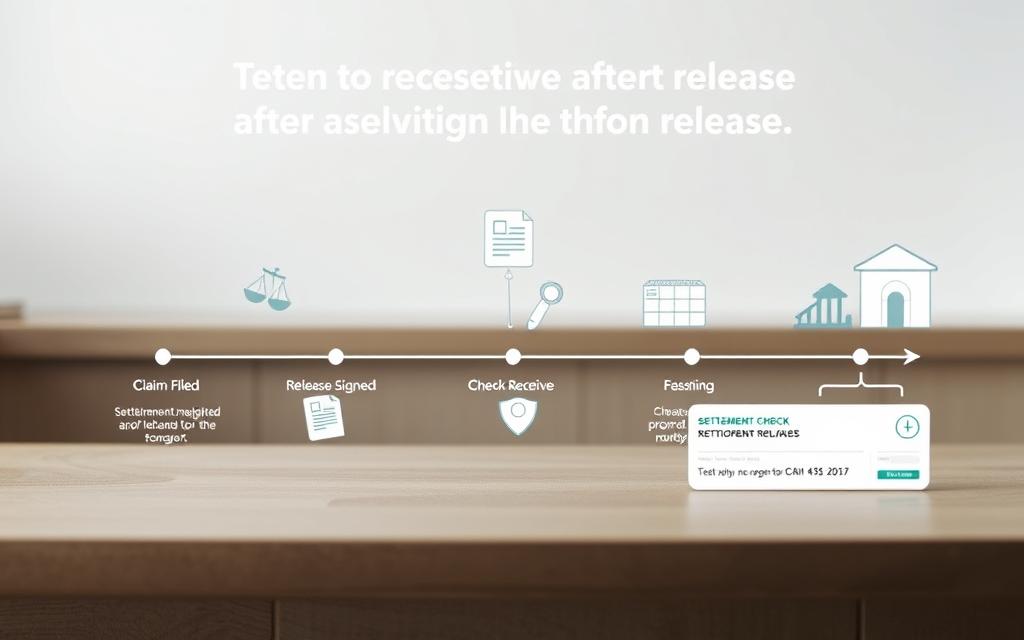
You’ve signed the release forms—now what? While many assume funds arrive instantly, the reality involves multiple variables influencing timelines. Insurance providers often process payments within three weeks, but exceptions exist. Delays may stem from internal reviews, administrative backlogs, or coordination with third parties like healthcare providers.
In personal injury cases, attorneys frequently negotiate liens or medical bills before distributing remaining amounts. This ensures all obligations are settled transparently. Clients should also account for mail delivery times or electronic transfer speeds, which vary by institution.
Understanding these steps helps set realistic expectations. While most payments occur within 30 days, complexities like contested claims or documentation errors can extend waits. Staying informed about your case’s status minimizes frustration during this final phase.
Key Takeaways
- Typical processing ranges from 14 to 30 days post-release signing.
- Third-party negotiations may add delays to final disbursement.
- Insurance companies often follow internal protocols affecting speed.
- Legal teams help resolve liens before releasing remaining funds.
- Electronic transfers typically outpace paper checks by several days.
Understanding Your Personal Injury Settlement Process
Finalizing a claim involves multiple stages that dictate financial outcomes. Personal injury settlements resolve disputes without courtroom trials, requiring both parties to agree on compensation terms. A signed release document formally ends the legal process, preventing future claims related to the incident.
Breaking Down Settlement Agreements
These agreements outline payment details and legal obligations. The release is binding—once signed, you cannot pursue further action. Reviewing every clause ensures you grasp what’s waived, including medical expenses or lost wages. Misunderstanding terms could leave uncovered costs unresolved.
How Legal Representation Streamlines Outcomes
Attorneys verify releases align with negotiated terms and flag ambiguous language. They also handle liens from healthcare providers or insurers, which reduces delays. Most work on contingency fees, meaning they’re paid only after funds arrive. Their involvement often leads to higher payouts by countering lowball offers.
Complexities like disputed liabilities or unclear injury prognoses can slow progress. Transparent communication with your legal team helps anticipate hurdles before they escalate.
how long to get settlement check after signing release: Timeline and Process
Once documents are finalized, structured steps determine when funds reach claimants. Most cases follow predictable phases, though exceptions exist depending on jurisdiction or case complexity.
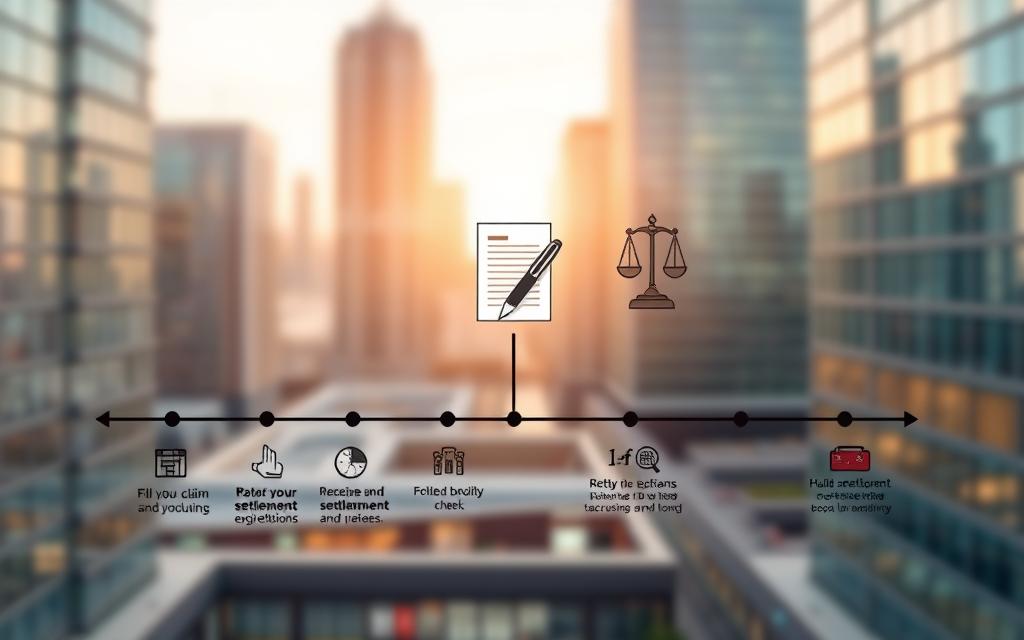
Key Milestones from Signing to Check Issuance
After submitting release forms, insurers begin internal approvals. First, they verify document validity and confirm no pending disputes. Next, the insurance company issues payment, typically within 14–21 days. Funds then move to your attorney’s trust account for lien resolution.
Typical Timelines Stated by Insurance Companies
While 3 weeks is standard, municipal claims often take longer due to added bureaucracy. For example, New York City requires a judge’s Order of Settlement for public entity cases, adding 10–15 days. Electronic transfers reduce mail delays, arriving 3–5 days faster than paper checks.
Legal Requirements Impacting the Timeline
Courts mandate notarized releases in some states, requiring extra verification steps. Attorneys must also resolve medical liens before disbursing remaining amounts. Errors in paperwork or appeals from opposing parties can extend waits by several weeks.
| Phase | Timeframe | Potential Delays |
|---|---|---|
| Document Review | 3–7 days | Missing signatures |
| Payment Processing | 7–14 days | Internal audits |
| Fund Disbursement | 2–5 days | Bank holidays |
Understanding this timeline helps claimants plan finances while awaiting resolution. Regular communication with legal teams ensures transparency if unexpected hurdles arise.
Factors Impacting Settlement Check Timelines
Several variables influence when funds reach plaintiffs after case resolution. Third-party claims and financial obligations often extend waiting periods, requiring careful coordination before disbursement.
Medical and Subrogation Liens
Healthcare providers frequently file medical liens to recover treatment costs. Hospitals or clinics may assert claims against compensation until bills are settled. Insurance companies also use subrogation liens to recoup payouts made during injury recovery.
For example, an ER visit covered by health insurance might trigger reimbursement demands. Attorneys must negotiate these debts before releasing remaining funds. Disputes over lien amounts can add weeks to timelines.
Attorney Fees and Case-Related Expenses
Legal teams deduct contingency fees and upfront costs from the total amount. Court filing fees, expert witness payments, and administrative charges reduce the plaintiff’s final share. Most firms outline these expenses in initial contracts for transparency.
Complex cases involving multiple specialists or prolonged negotiations often incur higher costs. Administrative reviews verify all deductions comply with state laws. This scrutiny ensures fair distribution but may slow the process.
Understanding these factors helps plaintiffs set practical expectations. Proactive communication with legal counsel clarifies potential delays tied to liens or fees.
Steps to Ensure a Swift Disbursement
Navigating the final stages of a settlement requires attention to detail and proactive collaboration. Small errors can create unnecessary delays, but strategic preparation keeps the process moving efficiently.
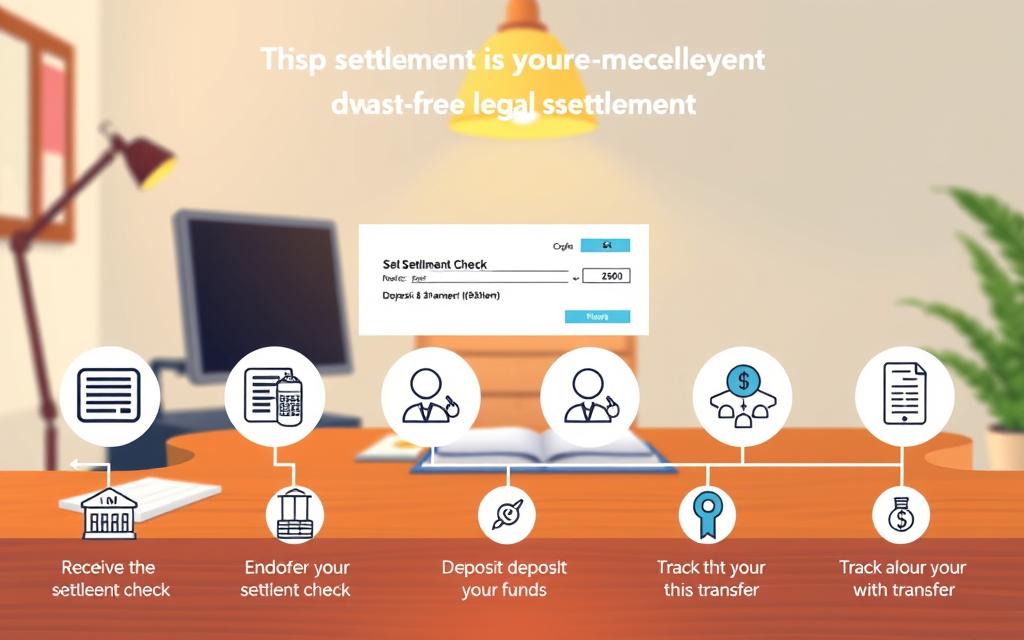
Completing Required Documentation Accurately
Double-check every form before submission. Misspelled names or incorrect account numbers force insurers to restart reviews. Provide updated contact information to avoid mail rerouting issues.
Attorneys deposit funds into a trust account until liens and fees are resolved. Submit lien release letters promptly to speed up this phase. Delayed paperwork adds 7–10 days to your timeline.
| Action | Purpose | Time Saved |
|---|---|---|
| Verify signatures | Avoids notary resubmission | 3–5 days |
| Confirm banking details | Prevents rejected transfers | 7 days |
| Share medical lien updates | Accelerates debt resolution | 10–14 days |
Maintain weekly check-ins with your personal injury lawyer. They track payment statuses and resolve last-minute disputes. Electronic submissions to insurers often cut processing time by 50% compared to mailed documents.
Final funds release occurs only after all legal conditions are met. Your attorney ensures compliance before transferring the remaining amount to you. Organized clients typically receive their check 20% faster than those with incomplete records.
Handling Unexpected Delays and Disputes
Unexpected roadblocks can disrupt even well-planned settlements. Administrative errors or unresolved liens frequently cause holdups in receiving payment. Proactive measures help claimants navigate these challenges effectively.

Addressing Delays Due to Liens or Administrative Errors
Medical providers may dispute lien amounts, while insurers sometimes misfile release forms. Your attorney can request detailed explanations from all parties involved. Texas law requires insurers to resolve disputes within 35 days after final documentation.
| Common Delays | Solution | Time Impact |
|---|---|---|
| Lien disputes | Negotiate reduced amounts | 2-4 weeks |
| Bank clearance | Verify trust account details | 3-7 days |
| Insurance audits | Provide supplemental proof | 10-14 days |
Remedies and Legal Recourse for Unreasonable Hold Times
New York allows claimants to file bar complaints if lawyers delay fund releases without cause. For insurer-related issues, court motions can compel payment within 30 days. Document every communication and missed deadline.
Persistent problems may require a second legal consultation. Financial hardship caused by delays could justify additional claims for compensation. Most states impose penalties on insurers acting in bad faith.
Weekly updates from your legal team prevent misunderstandings. Clear records of delays strengthen potential grievances or lawsuits. Knowledge empowers clients to distinguish routine waits from unjustifiable stalling.
Conclusion
Resolving a personal injury claim marks the final phase of securing compensation. While most insurance companies process payments within weeks, factors like lien negotiations or administrative reviews can extend timelines. Attorneys play a vital role in verifying release terms and resolving debts tied to medical bills or legal fees.
Proper documentation ensures funds move efficiently from escrow accounts to claimants. Delays often stem from third-party disputes or banking protocols, but legal guidance helps address these hurdles. Regular communication with your personal injury lawyer keeps the process transparent.
If you face unexpected hold-ups, explore remedies like formal complaints or court motions. Many firms offer a free consultation to review your case specifics and rights. Knowledgeable support maximizes your final amount while minimizing stress.
Ready to clarify your claim’s status? Contact a trusted injury lawyer today to ensure fair compensation without unnecessary delays.
About the Author


